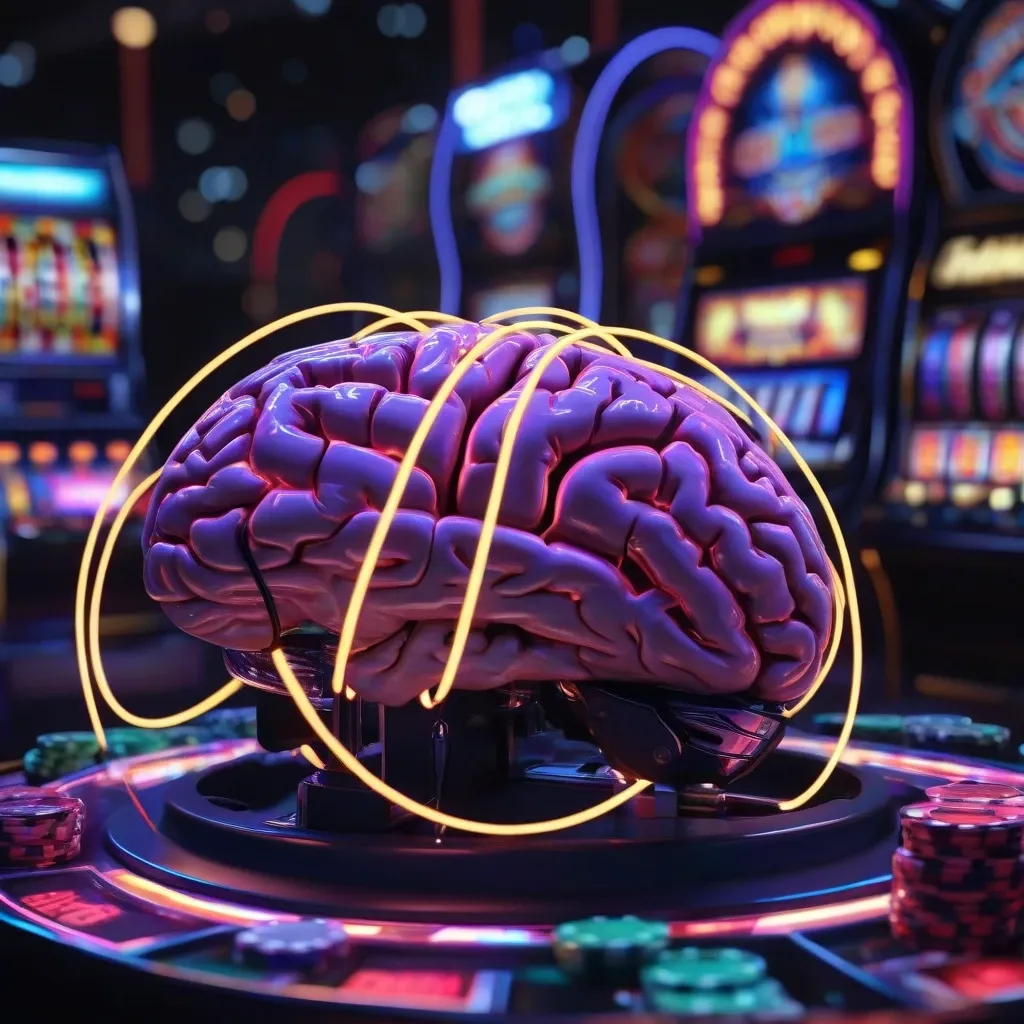
You know the rush. The instant your team scores, but it’s more than that—it’s the payout your brain is chasing. That last-second goal that shatters your parlay? It leaves a hollow ache, a desperate itch to place one more bet. This isn’t just bad luck. It’s a trap engineered by the very structure of the game. The industry behind sports betting addiction has perfected a formula that turns casual curiosity into problem gambling. They exploit a core flaw in your hardware: your brain’s reward system. Variable ratio reinforcement isn’t just a term; it’s the quiet architect of compulsive gambling. That near-miss, that thrilling loss, feels closer to a win than a loss ever should. Why is betting addictive? Because the mechanism is built to make you believe the next click is the one. This article will rip back the curtain on that mechanism, exposing how gambling psychology weaponizes uncertainty against you. You aren’t wrestling with willpower; you are fighting a machine designed to win.
Reason #1: The Brain’s Reward System—The Dopamine Loop
The brain isn’t a rational computer; it is a biological slot machine wrapped in skin. Every single time a bet is placed, that internal machine pulls its own lever. This single action is the foundation of the neurochemistry of betting. The brain does not wait for the win to release dopamine. It dumps that sweet chemical cocktail the exact moment the wager is live. The anticipation, the maybe, is the entire drug. This is why sportsbooks love micro-betting—wagering on the next pitch, the next free throw, or the next possession. It creates dozens of these anticipation loops in a single game. A punter isn’t just watching the game; they are mainlining a variable ratio reinforcement schedule, the exact psychological mechanism that makes a slot machine wildly addictive. You never know when the hit is coming, so you keep pulling the lever.
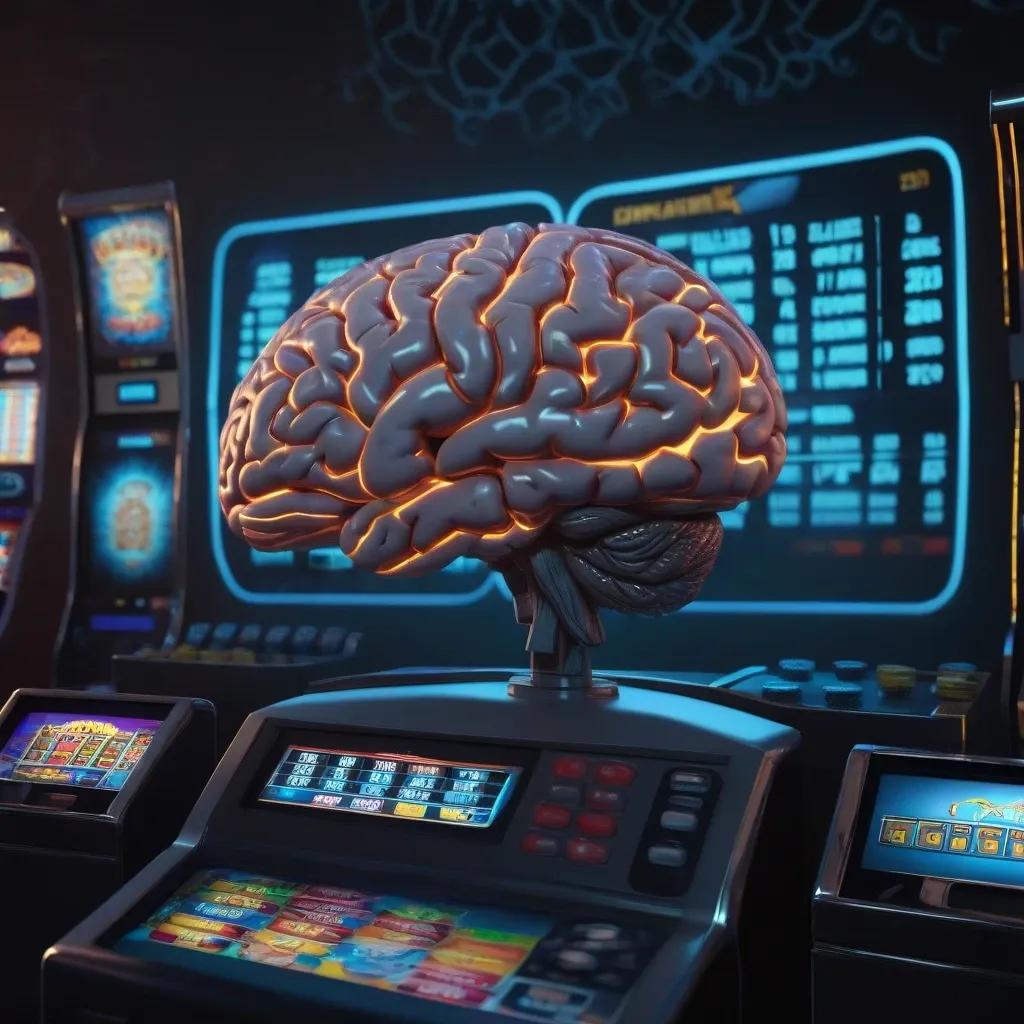
Then there is the near-miss effect. A team loses by a field goal. The under hits by half a point. Scientifically, that specific type of loss activates the same neural reward pathways as a win. The brain screams, “That was close! Almost! Do it again!”. A blowout loss is a flat, negative “no”. A near-miss is a desperate “almost yes” that feels like biological progress. It convinces the gambler they are “due” for a victory. The brain treats the near-miss as a practice round for winning, not a real loss. This isn’t a theory. It is the blueprint sportsbooks use to maximize engagement over entertainment. The dopamine and gambling connection is so strong that the brain literally rewires itself to chase the “almost.”
Why a Loss Feels Like a Practice Round
A six-leg parlay loses because one Under hits by half a point. A normal person sees a loss. The gambler sees a practice round. The near-miss effect turns that L into a loss disguised as a win. The brain does not process the monetary loss; it fixates on the proximity. “If I just adjust one pick,” the inner logic says. This is the trap. The conditioning overrides basic math and financial reality. It is not a character flaw or stupidity. It is a hijacked limbic system. The emotional part of the brain screams “Success!” while the logical part whispers “You lost money!”. The limbic system screams louder. That is why the next bet feels like a necessary correction, not a reckless chase. The brain is training itself to view failure as a stepping stone.
Reason #2: The Illusion of Control and Skill
Rolling dice is pure chaos. You toss, you hope, and everyone knows luck is the only player. Now picture placing a bet on a football game. You study the depth chart. You watch film of the quarterback’s release under pressure. You check the weather forecast—wind speed, precipitation, everything. You track the coach’s tendencies on fourth down. You feel smart. That feeling is bait. Sports betting masquerades as a test of knowledge, but underneath it’s still a gamble dressed up in stats. This pseudo-skill element is exactly what makes it more dangerous than a slot machine.
The illusion of control tricks the brain into overconfidence. You remember the three bets you won after deep analysis—those wins feel earned, like a reward for hard work. But you conveniently forget the four losses that came from equally rigorous research. That’s confirmation bias in action: you highlight the hits and dismiss the misses. Worse, there’s a phenomenon called resulting—judging a decision purely by its outcome. A bad bet that wins feels like genius. A good bet that loses feels like bad luck. This twisted logic keeps people betting long after they should stop. They convince themselves the next analysis will finally crack the code. It won’t. The house doesn’t care how many spreadsheets you built.
The danger isn’t just losing money. It’s the belief that skill can overcome a system designed to drain you. Every bet you place reinforces the notion that you’re in control. You’re not. You’re chasing a feeling of mastery that doesn’t exist. And the longer you chase, the deeper the hole gets.
The Myth of the Edge
Let’s get this straight: you cannot beat the sportsbook long-term by simply picking winners. The math is not on your side. At standard -110 odds, you need to win 52.4% of your bets just to break even. Most casual bettors win between 48% and 50%. That gap—tiny as it looks—is called the vig, and it bleeds you slowly. Year after year, the house edge ensures the bookmaker profits while bettors feel like they’re one hot streak away from glory.
Think you have an edge? Test it. Track every single bet you place for three months—stake, odds, reasoning, result. Don’t cherry-pick. Write down the losses, the near-misses, the bad beats. After ninety days, look at the data. The numbers will sober you up faster than any pep talk. If you’re still below 52.4%, you’re not a professional bettor. You’re the product.
Reason #3: The Accessibility Revolution—Betting from Your Pocket
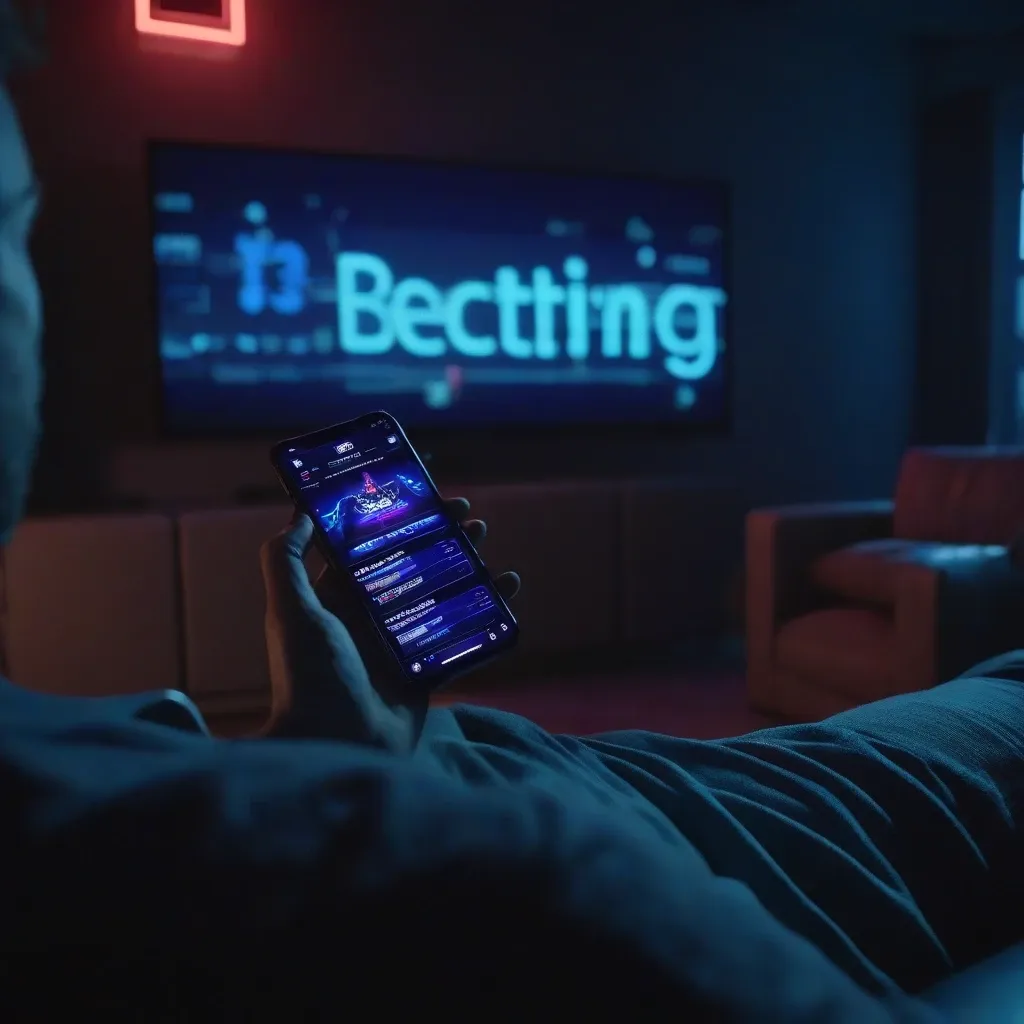
You are watching the game on your couch. The bookmaker app is open on your phone. You have 15 seconds to bet on the next corner kick. There is no time to think. That is the ugly truth of mobile sports betting in 2025. Compare that to the pre-2018 era—before the PASPA repeal in the US—when you had to drive to a casino, find an ATM, and face a cashier. Every step was a barrier. Now? Online gambling accessibility means friction is gone. A bet is three taps away, 24/7. No social judgment, no second glance. That constant access accelerates addiction faster than any other form of gambling. Addiction rates in states with legal mobile betting have spiked 30–50% within 18 months of launch. And here’s the kicker—nighttime betting. Bettors place wagers while intoxicated or sleep-deprived because the app never closes. The impulse betting app is always there, whispering. 24/7 gambling isn’t a feature; it’s a weapon. Frictionless betting removes the only safety net you ever had: the time to change your mind.
The Death of the ‘Cooling Off’ Period
You lose a bet. The disappointment lasts three seconds. Then the app asks: ‘Place the same bet? Yes/No?’ Most people click yes. That is chasing losses—a classic loss chasing behavior turbocharged by immediate gratification. It’s ’tilt’ from poker, now available to everyone, everywhere, every second. The design is deliberate. So set a hard boundary: if you lose two bets in a row on the same game, you must close the app for 24 hours. No exceptions. The app won’t stop you. You have to.
Reason #4: The Dark Side of Live Betting (In-Play Wagering)
Live betting flips everything. A single football game used to be one bet, 90 minutes of waiting. Now that same match offers hundreds of betting windows—every missed free throw, every penalty kick, every time a player ties a shoelace. This isn’t watching sports anymore. It’s monitoring a series of split-second financial events. You are no longer rooting for a team to win. You are rooting for the next 30 seconds of your bet to hit. That shift is where addiction digs its claws in.
Enter micro-betting: will the next pitch be a strike? Which player scores the next point? Odds change in real-time, often every few seconds. What you get isn’t a game—it’s a slot machine dressed in athletes. Pull the lever, see the result, place another bet. The constant action loop rewires your brain to crave instant rewards. Studies show that live bettors are 50% more likely to develop a gambling disorder compared to those who only bet before the game. The numbers don’t lie: in-play wagering turbocharges the risk.
Here’s a warning that cuts through the noise: if you find yourself unable to enjoy a game without having money riding on it, you have crossed a line. No highlight reel, no buzzer-beater matters unless your parlay hits. That’s not fandom. That’s a compulsion dressed up as entertainment. Live betting doesn’t make the game more exciting—it makes you a hostage to the next micro-event. And that door only swings one way.
Reason #5: The ‘Free’ Bet and Bonus Trap
Sportsbooks dangle “risk‑free bets,” deposit matches, and parlay boosts like candy. Don’t be fooled — these are loss leaders engineered to hook you. That $100 “free” bet? Read the fine print. You almost always have to stake it on a long shot with high odds, and you only get the profit, not the stake. Your expected value? Terrible. The bookmaker knows exactly what they’re doing: they exploit loss aversion and the endowment effect. Give a bettor a bonus, and suddenly they feel richer, leading them to wager money they never intended to touch. The house pays for your first few wins because they know once you deposit, the odds are stacked to keep you for years. This isn’t a gift; it’s a trap to normalize high‑risk wagers and build a gambling habit.
Actionable tip: treat every bonus as a public enemy. Never bet a promo you wouldn’t bet with your own cash. If you wouldn’t throw $50 on a 10‑to‑1 shot normally, don’t do it just because you got a “free” token. The math doesn’t lie — these offers are designed to separate you from your money faster.
Why Parlays Are the House’s Best Friend
Parlays look like a shortcut to a big payday, but the math is brutal. Take a 4‑leg parlay at standard odds: the true odds are around +1500, but the book pays you only +1000. That’s a 25% edge for the house — pure robbery. The emotional trap is even worse. You’ll hit a few 5‑leg parlays a year, and those rare wins will make you forget the 50 you lost. If your primary betting strategy is parlays, you’re not a gambler. You’re a lottery customer, plain and simple. The house loves parlay addicts because they chase the jackpot while the odds quietly bleed them dry.
Reason #6: Social Proof and the Tribalism of Betting
Modern sports betting isn’t a lonely affair—it’s a full-blown social ritual. Chat rooms, Twitter/X tipsters, and closed betting communities create an intoxicating sense of belonging. The fear of missing out (FOMO) on a “lock” pick from an influencer pushes bettors into action they never planned. And let’s be real: most “betting gurus” are selling a dream. They flash the win slips, the big payouts, the gloating screenshots—what you don’t see are the 300 losing slips buried in the digital trash. That’s the trick.
Then comes the herd mentality. When everyone in your group chat is hammering the Over, you feel stupid sitting out. That social pressure is a powerful trigger—it overrides logic, drowns your own research, and makes you chase a collective thrill. But here’s the counter-strategy: unfollow every betting account for 30 days. No exceptions. You’ll be shocked at how much peace you regain—and how much money you save. Break the tribe, break the cycle.
Reason #7: The Cognitive Dissonance of ‘I Can Stop Anytime’
Most sports bettors do not see themselves as addicts. They see themselves as ‘sharp’ gamblers on a cold streak. This belief fuels the cycle. Here is the hard truth: Addiction is not defined by how much you lose. It is defined by how much control you have lost. The cognitive dissonance is brutal—you keep wagering because you are convinced the next bet will prove your genius, yet the account balance screams otherwise. Denial gambling isn’t just common; it is the engine that keeps the house lights on.
Run a simple gambling self assessment. Ask yourself: Have you ever lied about a bet? Have you ever bet money you needed for bills? Have you ever bet to feel better after a bad day? If any answer is yes, you are already past the line you thought you drew. These are not signs of a skilled punter; they are signs of gambling addiction symptoms sneaking up on you.
The shift to responsible gambling tools must happen before the urge hits. Use deposit limits before you feel the urge. Set a ‘loss limit’ per week and stick to it with a hard rule: if you hit it, you are done for the month. No exceptions. No “one more parlay to get even.” The house does not respect your discipline. You must respect the math. Setting betting limits isn’t a sign of weakness—it is the only sane strategy in a rigged game.
This is not about willpower. It is about understanding the trap so you can step outside of it. The house does not respect your discipline. You must respect the math. End with a call for self-compassion: This is not about willpower. It is about understanding the trap so you can step outside of it.
When to Walk Away: The Red Flags
- 1. You gamble alone in the middle of the night.
- 2. You think about betting while doing other activities.
- 3. You feel a physical ‘withdrawal’ (irritability, anxiety) when you can’t bet.
- 4. You have a ‘chasing’ mindset.
- 5. You avoid people who might ask about your losses.
If three of these resonate, visit a national gambling helpline for a confidential assessment. This is not shame—it is intelligence. Problem gambling signs are only scary if you ignore them. Recognize gambling addiction symptoms early, and you can stop before the math wins.